About All ToursOffroad ToursFrom Palm Springs ToursSelf-Guided Audio ToursHiking ToursRock Climbing Tours Directions Hours & Fees
Find Tours 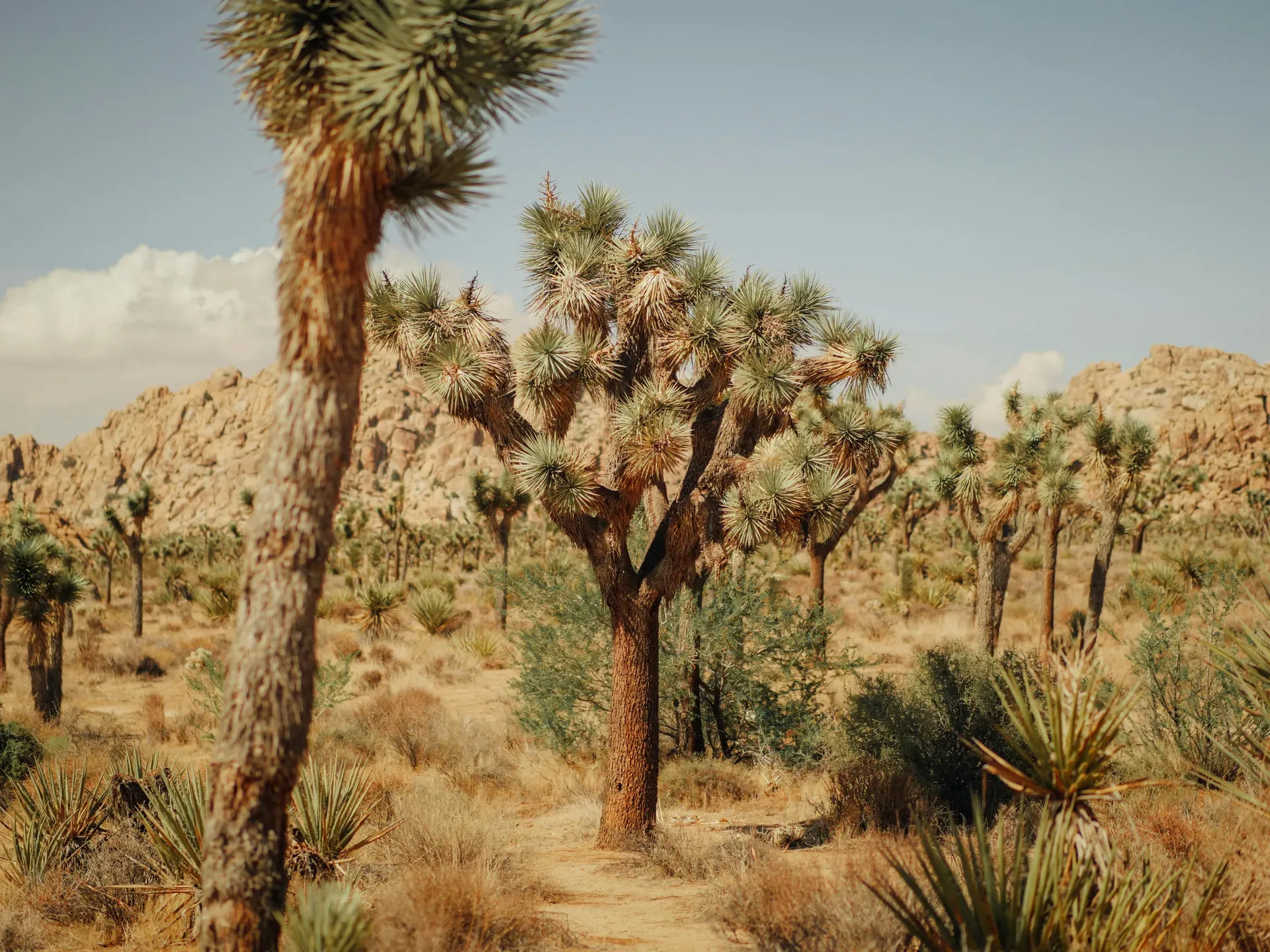
Explore the unique rock formations and flora of the Mojave Desert on foot. Choose from self-guided audio trails, nature walks with certified naturalists, or comprehensive half-day guided hikes.
 Free Cancellation
 Explore Joshua Tree’s backcountry and local history with a guide who has spent 22 years trekking these trails.
 Free Cancellation
 A guided 1.4-mile nature walk in Joshua Tree featuring local ecology, a cacao ceremony, and a desert sound bath.
 Free Cancellation
 Explore Joshua Tree’s desert ecosystem and geology on a two-mile guided hike with a certified California Naturalist.
 Free Cancellation
 Explore a former outlaw hideout on this self-guided walk through Joshua Tree’s iconic rock formations and desert life.
Read what travelers share about their experience visiting Joshua Tree — from practical tips to personal highlights.
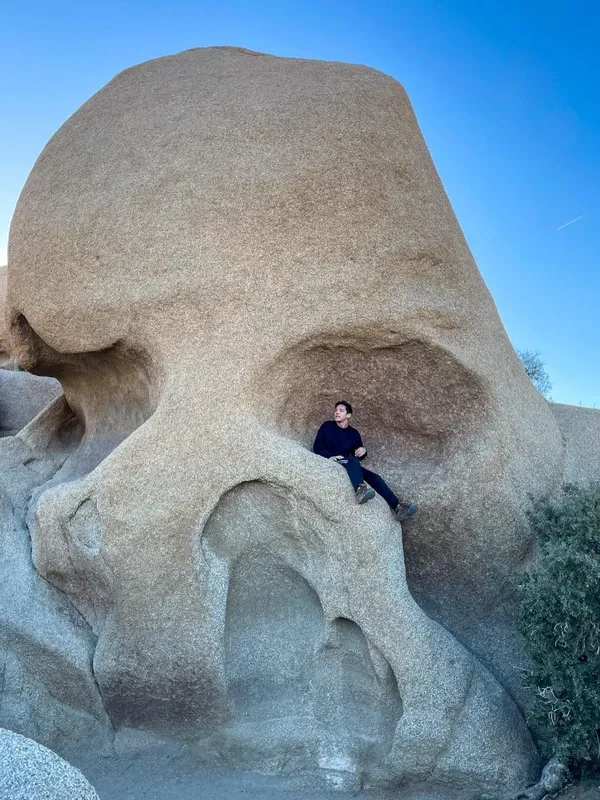
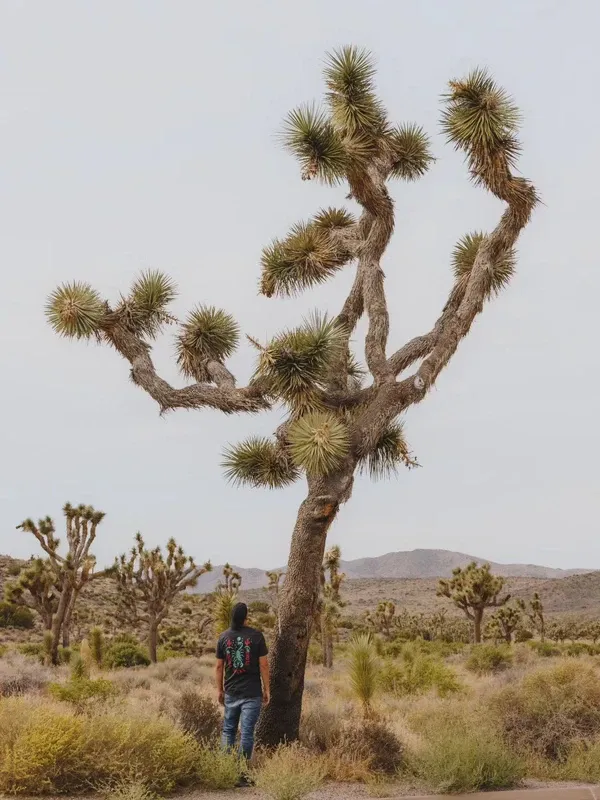

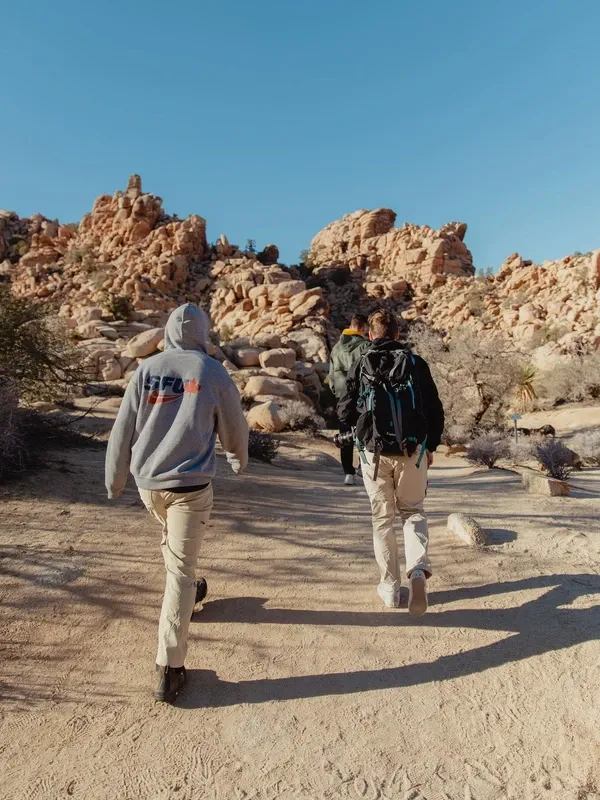
A Joshua Tree hiking tour offers an immersive journey through the surreal landscapes where the Mojave and Colorado deserts collide. Whether you join an expert naturalist for a deep dive into the local ecology or explore at your own pace with a GPS audio guide, you will discover a world of massive boulder piles, unique flora, and rich pioneer history.
Walk among the famous, funky Joshua trees and discover diverse desert plant life, from pinyon pines to the deceptively sharp teddybear cholla cacti.
Navigate through towering monzogranite rock formations that were born over 100 million years ago, including the famous Skull Rock.
Learn about the region's fascinating past, from ancient Native American habitation to the legendary cattle rustlers who used Hidden Valley as a secret hideout.
Keep an eye out for the park's diverse fauna. With the help of a guide, you might spot desert bighorn sheep, chuckwallas, or some of the 250 bird species.
Some specialized tours offer a deeply relaxing experience by combining easy nature walks with cacao ceremonies and meditative soundbaths under the open sky.
Planning your desert adventure requires a bit of preparation. Here is what you need to know about tour options, ticketing, and logistics before you secure your spot.
You can choose from moderate 4.5-hour guided treks, relaxed 2-mile walks with a certified California Naturalist, specialized wellness soundbath tours, or flexible self-guided GPS audio tours.
Most guided and self-guided tours do not include the park entrance fee. You will need to purchase a separate 7-day vehicle permit for $30.00, or a $15.00 individual pass if entering on foot.
There is absolutely no water available in the interior of the park. While premium half-day tours might provide bottled water, shorter walks and audio tours require you to bring your own. Always carry at least one gallon per person per day.
The best time to hike is from October to May when temperatures are comfortable (70-85°F). Tours frequently sell out during spring weekends, so book well in advance. Summer hiking is highly discouraged due to extreme heat.
Cell phone reception is virtually non-existent inside the park. If you book a self-guided audio tour, you must download the app and the tour content over Wi-Fi before you leave your hotel or the visitor center.
Fitness requirements vary widely. Audio tours and naturalist walks feature flat, easy terrain suitable for all levels, while half-day guided hikes require a moderate level of physical fitness to navigate sandy washes and rocky paths.
If you are traveling with a dog, be aware that pets are strictly prohibited on all park trails and paths. They must remain on a leash and stay within 100 feet of a road, meaning they cannot join you on hiking tours.
Most tour operators offer a flexible cancellation policy, allowing you to receive a full refund if you cancel at least 24 hours before your scheduled departure time.
| Half-Day Guided Hike | Wellness Nature Walk | Short Naturalist Walk | Self-Guided Audio Tour | |
|---|---|---|---|---|
| Duration | 4.5 hours | 4 hours | 2 hours | Flexible (Self-paced) |
| Best for | Deep ecological & historical learning | Relaxation & spiritual connection | Budget-friendly guided flora/fauna intro | Independent travelers & families |
| Includes | Expert guide, daypack, bottled water | Guided walk, cacao ceremony, soundbath mats | Certified California Naturalist guide | GPS app, offline maps, lifetime access |
| Price from | $335 | $195 | $55 | $10 |
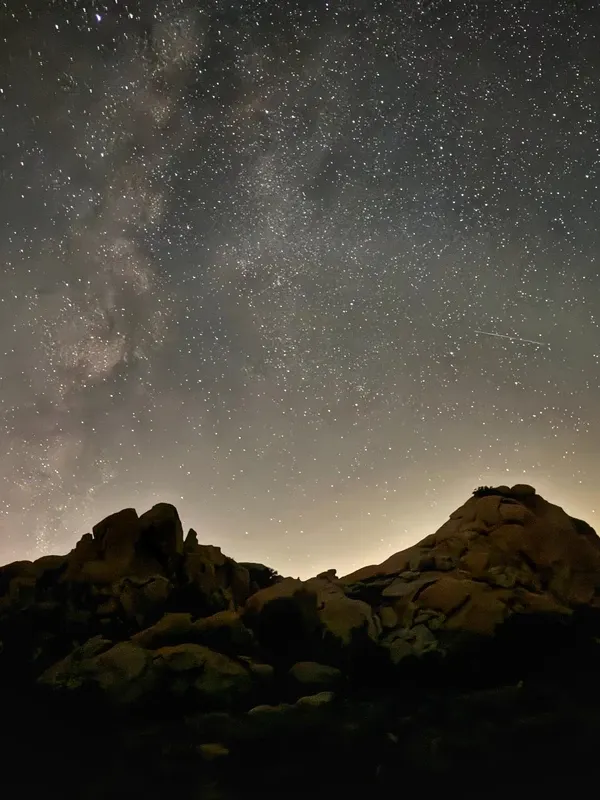
Park Hours: Joshua Tree National Park is open 24 hours a day, 7 days a week, 365 days a year. You can drive in and out at any time, which is perfect for early morning hikes or late-night stargazing.
Visitor Center Hours: Hours vary by location. The Joshua Tree National Park Visitor Center in Twentynine Palms is open daily from 8:00 am to 5:00 pm. The Joshua Tree Visitor Center is open 7:30 am to 5:00 pm. The Cottonwood Visitor Center operates from 8:30 am to 4:00 pm.
Tip: If you are entering through the West Entrance, make sure to fill up your water containers at the visitor center before driving in, as it is your last chance for fresh water.
By Car: Renting a car is highly recommended as public transportation into the park is extremely limited. The closest airport is Palm Springs International Airport (PSP), located about 40 miles (a 1-hour drive) away. Take Interstate 10 West to Highway 62 East to reach the West Entrance.
From Los Angeles: LAX is approximately 150 miles away, which takes about 2.5 hours without traffic. Drive east on Interstate 10 to Highway 62. Avoid traveling during weekday rush hours to prevent severe delays.
Public Transit: The Morongo Basin Transit Authority (MBTA) operates local buses in surrounding communities, but direct routes into the park interior are not available.
Peak Season (October to May): The best time for hiking is during the spring and fall. Daytime highs range from 70 to 85°F (21 to 29°C), making it comfortable for outdoor activities. Spring also brings stunning wildflower blooms across the desert.
Summer Warning: July and August are the worst months to visit. Temperatures frequently exceed 100°F (38°C), posing serious risks of dehydration and heatstroke. Hiking during the middle of the day in summer is highly discouraged.
Avoiding Crowds: To skip the massive weekend crowds during peak season, try to plan your guided hikes or park visits for mid-week (Tuesday or Wednesday).
Wheelchair Accessible Trails: The park features several paved and hard-packed dirt trails. The Oasis of Mara is a flat, half-mile paved loop. The Cap Rock Nature Trail is a 0.3-mile mostly level dirt loop with accessible parking and picnic tables.
Elderly & Limited Mobility: Many of the park's major attractions, like Keys View and Skull Rock, can be viewed directly from scenic pullouts or require very minimal walking on flat ground.
Discounts: Visitors with permanent disabilities can obtain discounted national park passes. Temporary parking placards can also be requested from the California DMV for designated spaces.
Water Availability: There is no water available anywhere in the park's interior. You must bring all your own supplies. The NPS recommends at least one gallon of water per person, per day.
Restrooms: Vault (pit) toilets are available at most major trailheads, campgrounds, and popular pullouts like Hidden Valley and Barker Dam. Flush toilets are only found at the visitor centers located outside the main park gates.
Emergency Services: Cell service is virtually non-existent. If you have an emergency, emergency phones are located at Intersection Rock, the Cottonwood Visitor Center, and the Indian Cove Ranger Station.
Most hiking tours do not include the park entrance fee. You will typically need to purchase a 7-day vehicle permit for $30.00 or an individual entry pass for $15.00 before meeting your guide or starting your audio tour.
It depends on the tour. Premium half-day guided hikes often provide bottled water and a daypack, but shorter 2-mile naturalist walks and self-guided tours require you to bring your own. Always carry at least one gallon of water per person per day.
Hiking in July and August is highly discouraged due to extreme heat, with temperatures regularly exceeding 100°F (38°C). If you must visit in summer, stick to early morning sunrise walks and avoid long guided hikes during the day.
No, but you must download the tour app and the specific Joshua Tree route while you have strong Wi-Fi or cellular service before entering the park. Once downloaded, the GPS-triggered audio works completely offline.
No. Pets are strictly prohibited on all trails and paths in Joshua Tree National Park to protect local wildlife. They must remain on a leash and cannot be taken more than 100 feet from any road.
There are options for every fitness level. The 1-mile Hidden Valley audio tour and 2-mile naturalist walks are mostly flat and easy. The 4.5-hour half-day guided hikes require a moderate level of physical fitness to handle uneven, sandy terrain.
This 4-hour experience includes a gentle 1.4-mile nature walk to learn about local geology and vortexes, followed by a cacao ceremony and a guided soundbath. Sanitized mats and blankets are provided for the meditation portion.
You should dress in layers, as desert temperatures can change rapidly and drop significantly at night. Sturdy closed-toe shoes are essential for rocky trails, along with a wide-brimmed hat, sunglasses, and SPF sunscreen.
Most guided walking tours focus on specific trails like Hidden Valley or quieter corners of the park. However, if you purchase the self-guided driving/audio tour, you can easily route yourself to the Cholla Cactus Garden at your own pace.
During the peak season from October to May, guided tours and naturalist walks can sell out weeks in advance, especially on weekends. It is best to book early, keeping in mind that most tours offer a full refund if canceled 24 hours prior.
Browse verified tours with free cancellation and instant confirmation.
Find Tours


I’ve lived in the Mojave Desert for 22 years and log over 500 miles on foot within Joshua Tree National Park every year. I moved here in 2001 and have spent the last two decades studying the landscape, ecological systems, and the local history that defines this region. My goal is to move beyond the typical tourist stops and provide a deeper understanding of how this desert functions. When I first arrived, the local scene was a mix of dirtbag climbers, artists, and desert dreamers. Being part of that community has given me a unique perspective on how the High Desert has changed over the years. I am a legally permitted guide in the park and focus on sharing factual, field-tested knowledge of the trails and the culture surrounding them.
For a full refund, cancel at least 24 hours before the scheduled departure time.
English


We start with a 1.4-mile nature walk on an easy, accessible loop in a quieter corner of Joshua Tree National Park. Along the way, we talk about the local plants and animals, the area's geology, and the theory behind the energetic vortexes found in the high desert. It is an informative stroll meant to help you understand both the physical and elemental makeup of the landscape. Once we have settled into the environment, we transition into a cacao ceremony to set personal intentions followed by a guided meditation. The experience ends with a sound bath using a range of instruments and frequencies. This portion of the tour provides a quiet, focused space to connect with the desert’s natural atmosphere and the resonant qualities of the sound tools.
For a full refund, cancel at least 24 hours before the scheduled departure time.
English


This two-mile guided hike takes you through the desert landscape of Joshua Tree to observe local flora, fauna, and geological formations. Led by a certified California Naturalist, the walk follows a mostly flat route over sandy and gravelly terrain with some light hills. Midweek tours frequently consist of only one group, often resulting in a private experience for your party. Please be aware that 2:00 PM hikes may be canceled during periods of extreme heat; we will coordinate options with you if you book for this time. All participants are required to bring a signed liability release form to the trailhead in order to attend the tour.
For a full refund, cancel at least 24 hours before the scheduled departure time.
English


The Hidden Valley Nature Trail is a one-mile loop through a valley enclosed by massive rock formations. On this self-guided tour, you will walk among Joshua trees and pinyon pines while learning about the area's unique geology and desert wildlife. The trail also covers the valley’s history as a secret hideout for the McHaney Gang, a group of 19th-century cattle rustlers who used the natural rock walls to conceal stolen livestock. To begin, download the Action Tour Guide app and enter your provided password while connected to the internet. Once the tour is downloaded, you can follow the GPS-enabled audio instructions offline at your own pace. The tour starts at the designated trailhead and guides you through the valley's most significant landmarks using your phone's location. Your purchase includes lifetime access to the tour content. There is no expiration date, allowing you to use the guide on any future visits or revisit the stories as many times as you like.
For a full refund, cancel at least 24 hours before the scheduled departure time.
English